
The Short Version
I used to get excited when a trailer or store page promised “over 100 hours of content.” It sounded like value. It sounded like a game that would stay with me for months.
Now that same promise makes me pause. Most of the time it no longer means a rich, varied experience. It means a long runway of systems, map markers, and incremental upgrades that treat my free time like an unlimited resource.
I am a 37-year-old dad with a full-time operations job. My gaming window is usually ninety minutes after the kids are asleep. When a game advertises hundreds of hours, what I actually hear is: “We designed this for someone who can play a lot more than you.”
A good game should earn your evening. Padding the runtime with busywork does the opposite.
How We Got Here
Open-world design and live-service habits trained the industry to treat playtime as a feature. More hours looked better in marketing. Reviewers sometimes treated length as proof of ambition. Players who finished a game in twenty-five hours started getting comments that they had “missed most of the content.”
The result is a generation of games that feel obligated to keep you busy. Side activities multiply. Crafting tiers stretch out. Collectibles hide in every corner. Progression systems are tuned so that meaningful power spikes arrive only after many hours of similar tasks. The game is rarely empty. It is, however, frequently repetitive.
I have lost count of the titles that opened with a strong fantasy and then spent the next thirty hours teaching me how to maintain that fantasy through upkeep. The story moments were good. The systems were competent. The overall experience felt like a second part-time job.
What Busy Players Actually Experience
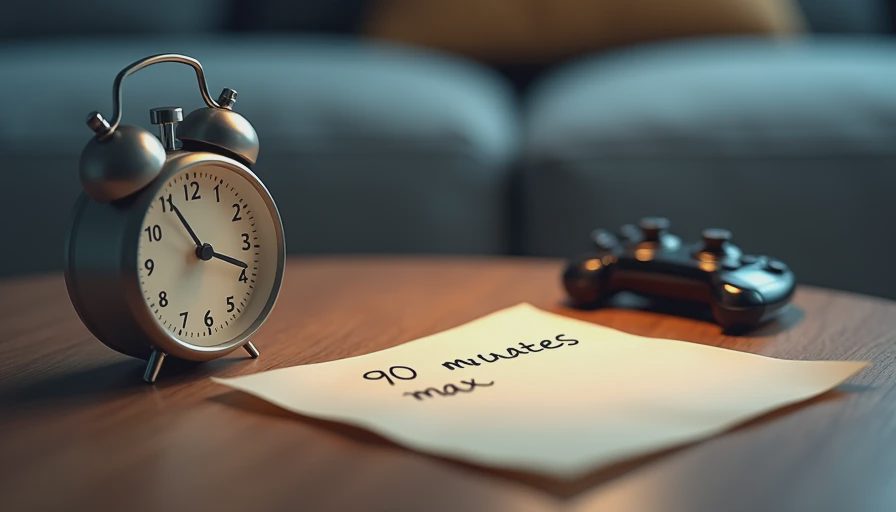
When your free time is limited, long content lists stop being a benefit and start being a tax.
You boot the game after a long day and face a map full of icons. You know that ignoring them means falling behind the intended power curve or missing “important” upgrades. So you clear a few. The session ends. You feel like you maintained the game rather than played it. The memorable moments stay locked behind more hours you may never have.
I have started measuring games by a different metric: how many evenings does it take before I feel a real sense of progress or closure? If the answer is “ten or fifteen evenings of similar tasks,” the game is asking for more than I can reasonably give. That is not a personal failing. It is a design mismatch.
The players who can sink twenty hours a week will still find plenty to do. The rest of us end up with a shelf of ambitious titles we quietly abandon once the novelty fades and the checklist remains.
The Mid-Sized Alternative Feels Better
Some of the most satisfying games I have played in the last few years were deliberately finite. They ran twelve to twenty-five hours. They had clear beginnings, middles, and endings. Side content existed but never felt mandatory. When the credits rolled I felt finished instead of relieved.
Those games did not need to invent extra systems to justify their price. They focused on strong pacing, readable goals, and moments that stayed with me after I put the controller down. I could finish them in a couple of weeks of normal adult play and move on without guilt.
That experience is rarer than it should be. The industry still treats a tight, complete game as somehow smaller or less impressive than a sprawling one. From the perspective of someone with limited evenings, the opposite is often true. A game that respects my time and actually ends can deliver more value than a hundred-hour checklist that I will never complete.
“Content” Is Not the Same as Experience
Marketing language loves the word content. It is measurable. It looks good on a bullet-point list. What it often describes is volume rather than quality of time spent.
I do not need a game to last forever. I need it to make the hours I do have feel worthwhile. A single well-designed mission that gives me a clear objective, interesting decisions, and a sense of completion inside ninety minutes is worth more to me than three hours of resource runs that exist mainly to pad the runtime counter.
When a game promises hundreds of hours, I now ask a different set of questions. How much of that time is repetitive upkeep? How early does the game start feeling like maintenance? Can I have a satisfying session without treating the game like a second job? If the answers are uncomfortable, the big number stops being a selling point and becomes a warning.
What I Want Instead
I want games that tell me, through their design, that they understand some players have jobs, families, and finite energy. That can look like strong mission structure, generous pause and save options, meaningful progress inside short sessions, and the confidence to end the story when it is finished.
I am not asking every game to be short. I am asking the industry to stop treating length itself as proof of quality. Some experiences need room to breathe. Many others would be better if they were tighter, clearer, and more respectful of the player’s actual life.
The best evenings I have had with games recently were not the ones that demanded the most hours. They were the ones that made the hours I could give feel complete.
Final Thought
The next time a trailer or store page leads with “hundreds of hours of content,” try translating it. What it often means is “we built a lot of systems and activities, and we need you to engage with most of them for the game to feel as intended.”
For some players that is still exciting. For a lot of us who only get a few quiet evenings a week, it is a signal to look closer at the pacing and the structure before spending the money.
You do not owe any game your entire free time. The good ones earn the evenings they get and know when to stop asking for more.
A good game should earn your evening—not schedule the next hundred of them.
No comments yet — grab the first one.