There is a special kind of regret that comes from buying a $70 game, downloading a massive update, and realizing two hours later that you would rather be doing literally anything else. I keep a running note of games not worth full price because adult gaming time is too limited for expensive experiments. A good game should earn your evening, not simply arrive with a giant marketing campaign and a deluxe edition.
That does not mean every disappointing launch is terrible. Some games improve after patches, become excellent through expansions, or make sense for a very specific audience. The useful question is whether the current version deserves your money today, especially when that money could buy two older favorites or cover a month of a subscription service.
What Makes a Game Not Worth Full Price?
The obvious warning sign is poor quality, but value is more complicated than bugs or low review scores. A polished game can still be a bad $70 purchase if its campaign is short, its replay loop feels thin, or its best features are locked behind a season pass. Conversely, a smaller $30 game can deliver a memorable weekend without trying to occupy every spare minute for the next year.
For me, the biggest factors are pacing, launch condition, content, and friction. Does the game get to the fun quickly? Can I make meaningful progress in a one-hour session? Are the tutorials respectful, or am I still reading pop-up explanations after dinner? Does the base price include a complete experience? These questions separate games not worth full price from releases that are simply not aimed at me.
Online-only design deserves extra scrutiny. If a title requires a busy player population, expensive cosmetic purchases, or a daily schedule, its value can drop quickly. A game that expects three hours every night is not automatically better than one that gives you six focused hours and a satisfying ending.
The Launch Window Is Often the Worst Deal
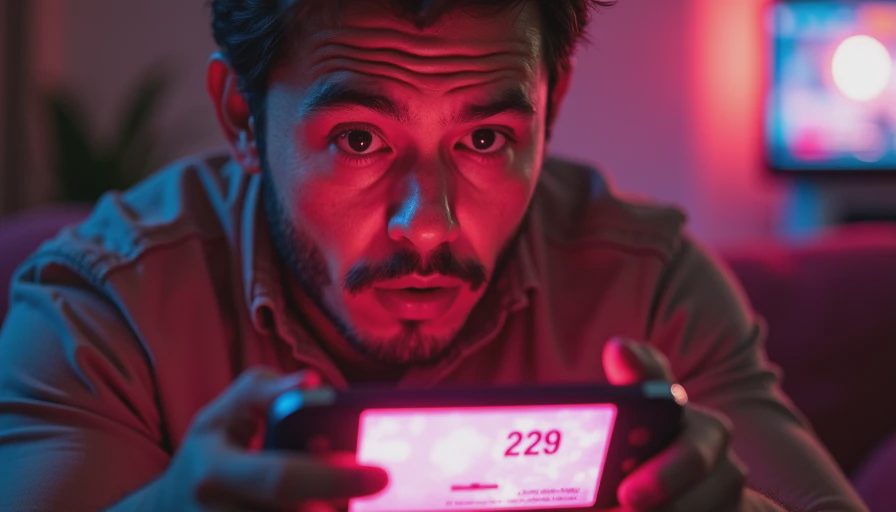
Buying on day one can be exciting, but it is also when you pay the highest price for the least information. Early buyers are effectively testing server capacity, tutorials, balance, and performance for everyone else. That can be reasonable for a beloved studio or a game you plan to play with friends immediately. It is a poor habit when hype is doing most of the selling.
I usually watch the first week for practical details rather than dramatic internet arguments. Are players reporting crashes on the platform I use? Is the opening hour representative of the full game? Are promised features actually present? A review score cannot tell me whether a game works well after a long shift, but player footage and patch notes often can.
Waiting six to twelve weeks can change the calculation. A $70 launch game might fall to $50 during a routine sale, while a $100 deluxe edition can lose its premium after the novelty fades. Physical copies sometimes drop even faster, and digital storefronts regularly discount games before the first major expansion arrives. Patience is not missing out; it is letting the product prove itself.
Common Categories of Games Not Worth Full Price
Some releases are better purchases at a discount because their structure exposes the price problem. Annual sports games are a familiar example. If you mostly want updated rosters and a few small improvements, last year's version at $20 can offer nearly the same evening-to-evening experience. Paying full price makes more sense when you play online with friends or need the current community.
Large open-world games can create a different trap. A map covered in icons looks substantial, but repeated outposts, collectible hunts, and checklist objectives are not the same as meaningful content. If the main story takes 20 hours but the rest is padded travel and errands, the game may be one of the games not worth full price for anyone with limited time.
Live-service releases need a separate test. A free-to-play model can reduce financial risk, but paid battle passes, character bundles, and pressure to log in daily can turn a free download into an expensive obligation. Before spending, ask whether you are enjoying the actual matches or simply trying to avoid falling behind.
Finally, remasters deserve clear expectations. Better resolution and a photo mode do not automatically justify a premium price, particularly when the original runs well on hardware you already own. A strong remake can rebuild systems and presentation; a basic port should usually wait for a sale.
How to Decide Before You Buy
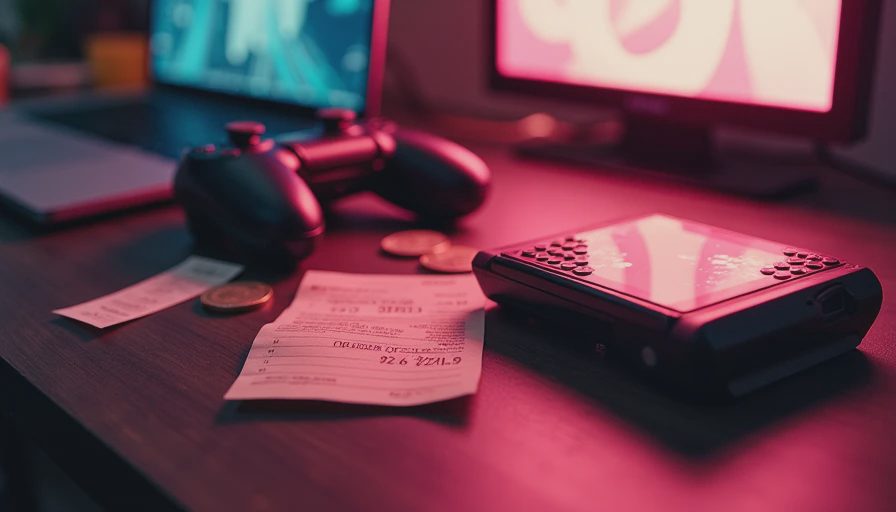
I use a simple five-minute check before purchasing a full-price release. First, watch ten minutes of unedited gameplay, not a cinematic trailer. Second, look up the estimated campaign length and identify whether that number includes repetitive side content. Third, confirm whether online play requires an additional console subscription. Fourth, check the refund rules for your platform before launching. Finally, compare the price with three games already on your backlog.
That last step is surprisingly effective. If I own two excellent games I have not touched, a new release has to offer a very specific experience to jump the line. A $70 purchase should not be competing against vague future excitement. It should be beating a real alternative, such as finishing a discounted RPG, joining friends in a co-op game, or spending the evening outside the backlog entirely.
Reviews are most useful when you filter for your circumstances. Look for comments about checkpoint spacing, difficulty options, loading times, accessibility, controller feel, and whether progress can be saved in short sessions. A critic who plays 50 hours in three days may love a grind that feels exhausting to someone who gets four hours across a week.
Better Ways to Get Expensive Games
Subscriptions can be useful when you treat them as sampling tools rather than permanent entertainment bills. Game Pass, PlayStation Plus tiers, and other services change their catalogs, so check whether the specific title is included before signing up. A one-month plan can make sense for finishing a short campaign, but subscribing for several months while barely playing is just another form of full-price spending.
Used physical copies are still valuable for console players. Local stores, library programs, and reputable online marketplaces can make a recent release affordable without requiring a preorder. Sales calendars also help: major holiday promotions, publisher events, and regular weekend discounts often bring a title into the $30 to $45 range. That is where many games not worth full price become perfectly reasonable recommendations.
Do not overlook demos, trials, and free weekends. Thirty minutes with the actual controls can answer questions that trailers cannot. You will know whether the camera makes you dizzy, the combat feels responsive, or the dialogue is going to test your patience before money changes hands.
A Practical Verdict for Busy Players
The safest approach is to separate excitement from urgency. You can be excited about a game without preordering it. Add it to a wishlist, mute the launch-day arguments, and revisit the decision after the first serious patch. If friends are waiting for you, set a budget and buy only the standard edition unless the extra content clearly matters to your group.
Games not worth full price are not always games not worth playing. They may become excellent at $30, arrive on a subscription, or fit your interests better after a few updates. The goal is not to avoid every imperfect release. It is to match the price to the experience you will actually have.
Here is the short version: watch real gameplay, investigate the grind, compare the launch price with your backlog, and wait when the value feels uncertain. Your free time is part of the purchase, and it is often more limited than your gaming budget. A good game should earn your evening; a discount gives it a better chance to do exactly that.
No comments yet — grab the first one.