The Short Version
I used to preorder. The bonuses looked appealing. The fear of missing out felt real. Then I started tracking what I actually received versus what it cost me in money, time, and frustration.
The pattern is consistent. Regular players with limited free time and normal budgets almost never come out ahead. The industry has trained us to treat preorders as normal. From the perspective of someone who works full-time and only gets short evening sessions, they are usually a bad trade.
A good game should earn your evening. It should also earn your money after it has proven it can do that—not before.
What Preorders Actually Buy You
The marketing language focuses on exclusives and bonuses: special skins, early access windows, bonus currency, a steelbook, a digital soundtrack. Some of those items are fine. Most of them do not change the core experience in any meaningful way.
What you are really purchasing is the right to pay full price before anyone knows whether the game launches in good shape. You are also accepting the risk that day-one patches, balance issues, or missing features will shape your first evenings with the game. Those first evenings are often the only ones a busy adult can easily give.
I have paid for early unlocks that amounted to a cosmetic I never used and a three-day head start I did not need. I have also paid for the privilege of troubleshooting launch problems while the rest of the player base waited for the first patch. That is not a premium experience. It is unpaid quality assurance with a receipt.
The Real Cost for Limited-Time Players
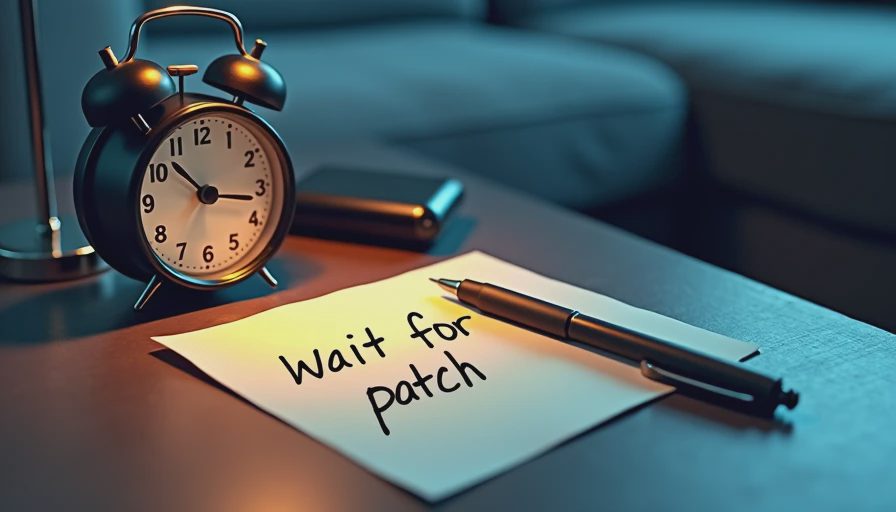
When your free time is scarce, a rough launch hurts more. You get home, get the kids to bed, boot the game you already paid for, and spend the first ninety minutes dealing with long load times, unclear systems, or progression that feels broken. The next night you may simply choose something else. The preorder bonus does not compensate for a wasted evening.
Waiting one or two weeks after launch usually gives you a clearer picture. Reviews from people who have finished more than the opening hours are available. The first major patch has often landed. Performance issues are better documented. You can decide whether the game fits your actual schedule instead of hoping it will.
I have saved more money and more frustration by waiting than I have ever gained from early unlocks or exclusive skins. The games that were worth playing were still worth playing after the preorder window closed. The ones that were not worth playing would have been expensive mistakes if I had paid early.
The FOMO Mechanism
Preorder campaigns are good at creating urgency. Limited-time bonuses. Countdown timers. “Do not miss out” language. The message is that waiting is a form of loss.
For most regular players that message is false. Digital games do not sell out. Physical stock shortages are rarer than they used to be and usually temporary. The meaningful content is almost never locked behind the preorder tier permanently. What disappears are the cosmetic extras and the marketing pressure.
I stopped responding to that pressure when I realized the only thing I was consistently missing by waiting was the chance to be disappointed earlier. The games that mattered were still there. The bonuses I skipped never changed how the game actually played in my living room after 9 p.m.
What Actually Helps Regular Players
Clear post-launch information helps. Honest assessments of pacing and session length help. Knowing whether the game respects short play windows helps. None of those things are available when you preorder.
A short, reliable return window helps more than an exclusive skin. A day-one patch that fixes obvious friction helps more than early access to a menu. Transparent communication about what is still broken helps more than a steelbook.
Some publishers have gotten better at these things. Many still rely on the preorder habit because it locks in revenue before the product is judged. As a player with limited evenings and a normal budget, I no longer feel obligated to participate in that arrangement.
A Simple Personal Rule
I do not preorder full-price games anymore. I wait until I can see how the game behaves in the hands of people who have played more than the opening hours. I watch for the first patch notes. I ask the same questions I ask of any other purchase: Does this fit the time I actually have? Does it look like it will earn the evenings it needs?
If the answer is yes after launch, I buy it. If the answer is unclear, I wait longer or skip it. The money I used to spend on preorder bonuses now sits in a mental “games that have already proven themselves” fund. That fund has produced better evenings than the early unlocks ever did.
Final Thought
Preordering is a habit the industry benefits from more than the average player does. It shifts risk onto the customer and rewards the company for marketing rather than for the state of the game at launch.
You are allowed to break the habit. The games that are worth your money and your limited free time will still be there after the countdown timers expire. The ones that are not worth it will have revealed themselves, and you will have kept both the cash and the evenings.
A good game should earn your evening. It can also earn your purchase after it has shown it deserves both.
No comments yet — grab the first one.