New video games arrive every week, but your free time does not. If you are choosing what to play after work, after the kids are asleep, or during a rare quiet Saturday, the usual hype is not enough. You need to know whether a release is fun quickly, respects your schedule, and justifies its price.
I approach new releases like I approach a crowded weekend calendar: what deserves a place, what can wait, and what should be canceled before it wastes everybody's evening? A good game should earn your evening. That means looking beyond sharp trailers and launch-day excitement to pacing, onboarding, replay value, technical polish, and the amount of grinding between enjoyable moments.
How to sort new video games before you buy
The first question is not whether a game looks impressive. It is whether its structure fits your actual life. A 60-hour open-world adventure can be excellent, but it is a poor choice if you only play three 45-minute sessions each week and constantly forget where you left off. A focused eight-hour campaign might give you a much better experience.
When I assess new video games, I look at five practical details. How long does it take to reach the good part? Can you pause without losing progress? Are missions easy to resume after several days away? Does the game explain its systems clearly? Finally, does the price match the amount of content you will realistically use?
A $70 blockbuster is easier to recommend when it offers a strong campaign, meaningful side activities, and reliable performance. A $30 indie game can be an even better buy if it delivers a memorable weekend without padding. Subscription libraries from Xbox Game Pass, PlayStation Plus, and PC services can also lower the risk, although downloading something is not the same as having time to play it.
New video games for short weekday sessions
For a busy player, session design matters more than map size. Look for games with compact missions, frequent checkpoints, and a clear next objective. Roguelites such as Hades-style action games are useful examples because a single run can feel complete even when you only have 25 minutes. Puzzle games, tactics titles, and chapter-based adventures can work just as well.
Some new video games advertise dozens of hours but spend much of that time sending you across a map to collect materials or unlock another menu. That is not automatically bad, especially if you enjoy routine progression, but it is a warning for anyone trying to squeeze in play before bed. A useful test is simple: can you finish one satisfying task before the laundry buzzer, a meeting, or a child calling from the hallway?
On PC, Steam's refund policy can sometimes provide a safety net for testing a game briefly, provided you stay within its stated time and ownership limits. Console players should use demos, trials, reviews, and gameplay footage before spending. Watch ten minutes of ordinary play instead of a cinematic trailer. You will learn more from menus, combat rhythm, and checkpoint spacing than from explosions set to dramatic music.
Picking a release for co-op and family time
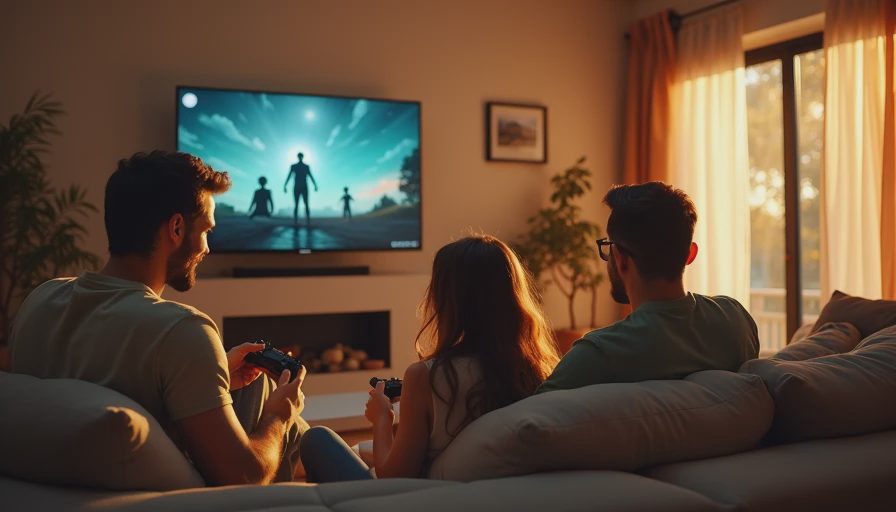
New video games can be a great way to spend time with a partner or older child, but co-op quality varies widely. Local co-op is convenient because nobody needs a second subscription or a separate online account. The catch is that shared-screen games need readable menus, adjustable difficulty, and controls that do not punish the less experienced player every thirty seconds.
For online co-op, check whether the game supports cross-play across PlayStation, Xbox, Switch, and PC. Also look for drop-in support. A good co-op game lets one person join for an hour without turning the whole evening into account management and tutorial repetition. Games from Nintendo, Hazelight, and smaller independent studios often show how different co-op formats can work, but the specific title matters more than the logo on the box.
If your gaming time is limited, this is the part that matters: agree on the goal before starting. Are you trying to finish one mission, explore for an hour, or simply laugh at physics glitches? A modest plan keeps a weeknight session from becoming an accidental four-hour commitment.
When waiting is smarter than preordering
The launch window is often the most expensive and least predictable time to buy new video games. Preordering can be worthwhile when you already know the developer's track record, the game has a generous demo, or you are buying a physical copy with a clear return option. Otherwise, waiting two or three weeks can reveal serious performance problems, confusing progression systems, or a player base that disappears quickly.
This is especially important for live-service games. A free download does not mean a free experience if the design keeps steering you toward $10 battle passes, cosmetic bundles, or limited-time events. Ask whether you would enjoy the core loop without spending extra money. If the answer is no, the game is selling a shopping habit more than a hobby.
Waiting can also save money. New releases often drop from $70 to around $50 during seasonal promotions, while deluxe editions lose their appeal once bonus items become available separately. Used physical copies can reduce the cost further. I would rather buy a complete game at a fair discount than pay full price for a troubled launch because a trailer made it look urgent.
A practical checklist before buying
Before choosing among new video games, take five minutes and answer these questions:
- What is the main activity, and do I actually enjoy doing it?
- Can I make progress in sessions of 30 to 60 minutes?
- Is the game stable on my console, graphics card, or handheld?
- Does it require online access, a subscription, or recurring purchases?
- Is there a demo, trial, review period, or refund option?
- Would I still want it if I ignored launch-week social media?
That last question catches a surprising number of impulse purchases. A game can dominate YouTube for a week and still be a poor fit for your schedule. Conversely, a smaller release with plain marketing might become the title you play every night because it starts quickly and never wastes your time.
The short version for busy players
The best new video games are not always the biggest, newest, or most technically ambitious. They are the ones that match your available hours and give something worthwhile back. Pick a campaign with clear chapters if you want momentum, a co-op game with flexible sessions if you play socially, or a compact indie title when you need a reliable reset after work.
Do not let a full-price launch, a review score, or a crowded online conversation make the decision for you. Watch regular gameplay, check the return policy, and be honest about how often you will play. If you have only one evening this week, spend it on something that gets to the point.
I will keep sorting through new video games with that standard: less hype, more useful context, and fewer regret purchases in the phone note. Your backlog is already long enough. Choose the game that earns your evening, then put the controller down when bedtime wins.
No comments yet — grab the first one.